


A New Ethics Test for Congress
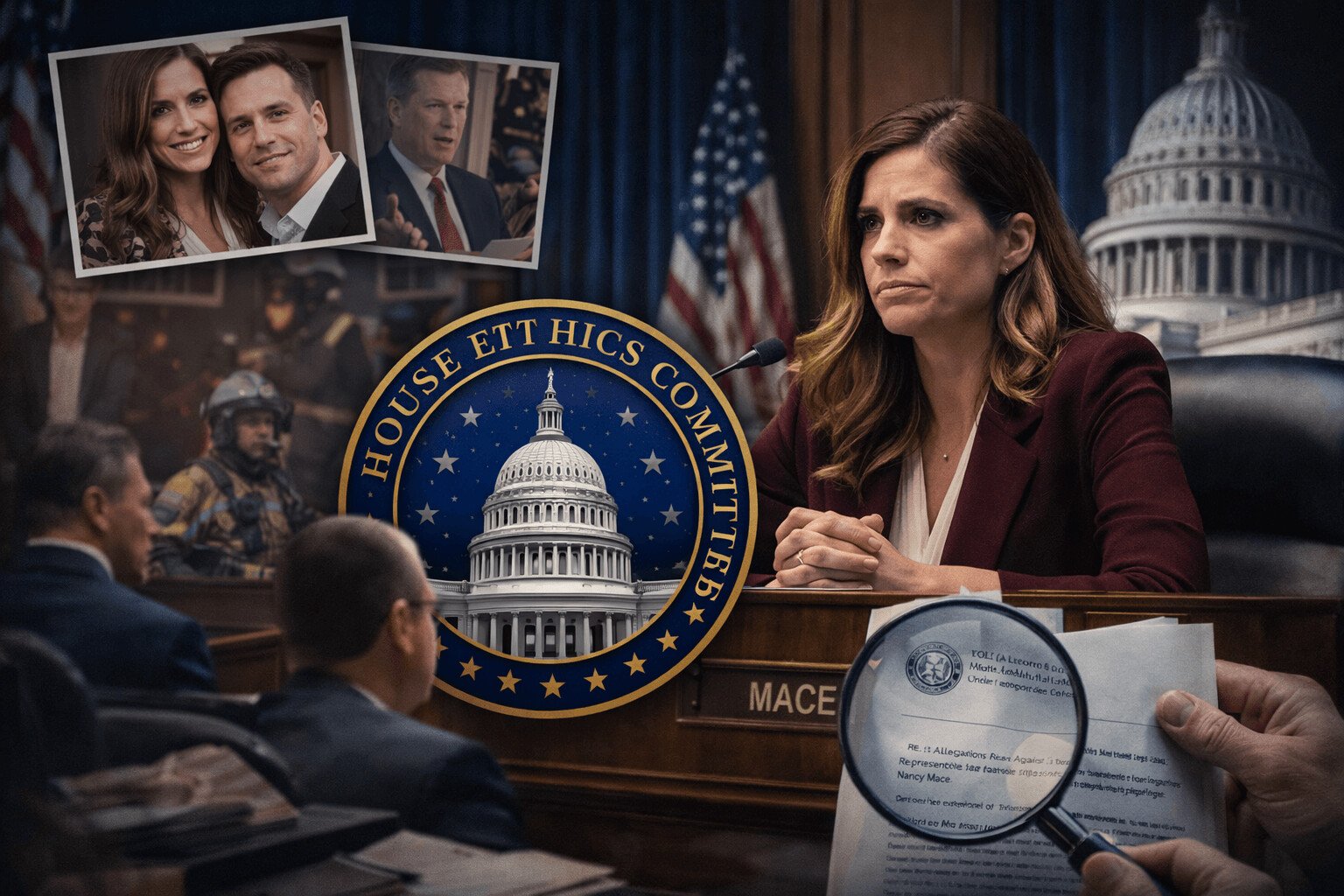
The House Ethics Committee’s quiet consideration of allegations against Representative Nancy Mace is more than an internal procedural matter. It is a revealing moment for how Congress handles accountability especially when accusations intersect with personal relationships, partisan rivalries and prior political battles.
While the committee has not publicly detailed the substance of the referral the very fact that the inquiry exists places Mace under an institutional microscope that few lawmakers welcome. The committee’s decision expected by early March will determine whether the matter advances into a formal investigation or is dismissed.
Why This Case Matters Beyond One Lawmaker
Ethics Oversight Under Public Skepticism
Public trust in Congress remains fragile. Every ethics review regardless of outcome shapes how voters perceive lawmakers commitment to transparency and self regulation. In this case the absence of clear public explanations has already fueled speculation and partisan narratives.
The Ethics Committee’s handling of the matter will signal whether congressional oversight bodies can still command credibility in a highly politicized environment.
The Role of the Office of Congressional Conduct
The Office of Congressional Conduct (OCC) which referred the matter occupies a sensitive position. It is designed to operate independently yet it relies heavily on external complaints and documentation. That model raises difficult questions:
- How should Congress weigh evidence from personal or adversarial sources?
- What standards of verification are sufficient before triggering an ethics review?
These questions are not unique to this case but they are sharply illustrated by it.
The Defense Strategy and Its Implications
Allegations of Personal Motivation
Mace’s legal team has argued that the referral may rely on information from individuals with personal grievances, including a former romantic partner. This defense highlights a recurring challenge in ethics enforcement: separating legitimate whistleblowing from potentially biased submissions.
If personal disputes can trigger formal scrutiny lawmakers may fear weaponization of ethics processes. Conversely dismissing claims too quickly risks discouraging legitimate reporting of misconduct.
Reimbursement Practices in the Spotlight
At the center of the response is a dispute over lodging expenses and reimbursement practices an area where congressional rules are detailed but often misunderstood by the public. Even technical or administrative questions can quickly become political liabilities particularly in a media environment primed for scandal.
Political Context That Cannot Be Ignored
Past Confrontations Add Complexity
Maces earlier effort to censure another lawmaker over ethics allegations complicates the optics of the current situation. While unrelated procedurally the political memory is unavoidable. Critics may see irony; supporters may see retaliation.
This context underscores a larger reality in Congress: ethics cases rarely exist in a vacuum. Personal histories and political rivalries shape how allegations are interpreted debated and amplified.
What Happens Nextand Why It Matters
Potential Outcomes
The committee could:
- Dismiss-the referral after review
- Open-formal investigation
- Recommend-disciplinary action if violations are found
Long-Term Implications for Congressional Accountability
If the committee provides clearer explanations and demonstrates rigorous, even-handed review it could strengthen confidence in congressional oversight. If not, skepticism will deepen, reinforcing the belief that ethics enforcement is either selective or politicized.
Final Perspective
The inquiry involving Nancy Mace is not yet a verdict it is a process. But processes matter. How Congress investigates its own members, how transparently it communicates, and how it navigates the intersection of personal conflict and public duty will shape public trust long after this case concludes.