

Introduction
Planning a trip to Utah in 2026? This complete Utah Travel Guide covers everything first-time visitors need to know, from the famous Mighty 5 national parks to road trip routes, travel costs, best seasons, permits, safety tips, and hidden destinations. Whether you are visiting for hiking, outdoor adventures, family travel, or scenic landscapes, this guide will help you plan a memorable Utah vacation.
Quick Answers
How many days do you need in Utah?
Most 1st time visitors need 7–10 days to see all five Mighty 5 national parks (Zion, Bryce Canyon, Capitol Reef, Canyonlands, Arches) comfortably. A rushed version can be done in 5 days a relaxed trip with side stops takes 10–14 days.
Best time to visit Utah
April, May and September, October are the best months for ideal weather and fewer crowds, since summer day time highs can reach 100–105°F in lower elevation parks like arches and Canyonlands.
Do you need a car in Utah?
Yes — nearly all the mighty 5 parks are 3–6 hours apart with no public transit between them. Salt Lake city and moab have some shuttle/tour options but a rental car or RV is the practical way to see the state.
How much does a Utah national parks trip cost?
Entry is $30–35 per vehicle per park 7-day pass if paid individually or $80 for an annual America the Beautiful pass covering all five plus every other federal park/land in the U.S worth it if visiting 3+ parks.
Do Arches and Zion require reservations in 2026?
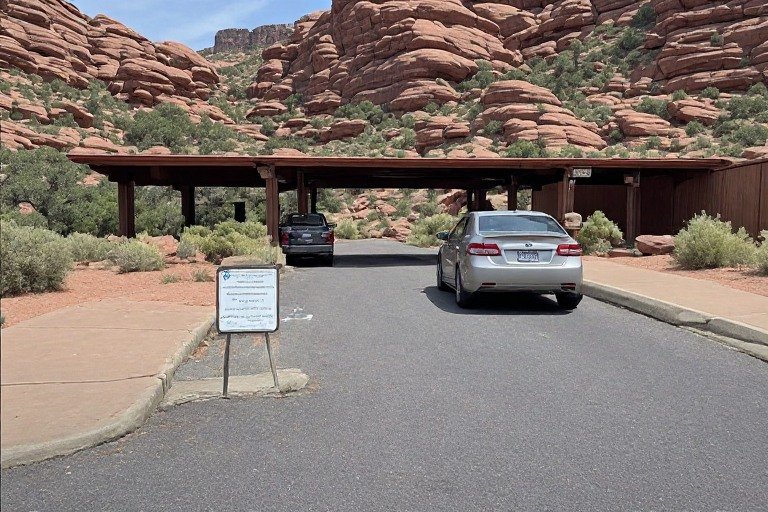
Arches National Park dropped its timed entry reservation requirement for the 2026 season you can arrive any time during operating hours. Zion does not require general entry reservations but the popular angels landing hike still requires a permit through a lottery system.
1. Planning your Trip
When to Go:
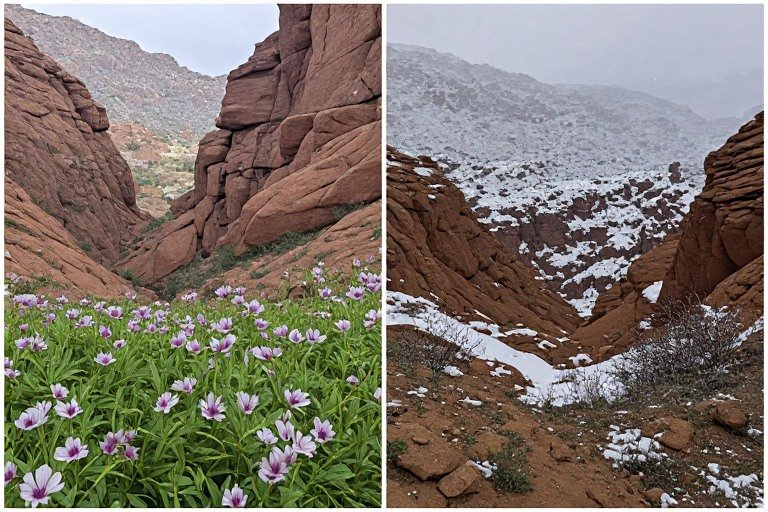
- Spring March–May: Wildflowers, mild temps but higher elevation trails can still be muddy from snowmelt.
- Summer June–August: Longest days full services running but extreme heat (100°F+) in Arches, Canyonlands and Zion’s lower canyon busiest crowds.
- Fall (September–October): Considered the secret season cooler, stable weather, thinner crowds good foliage at higher elevations like Bryce Canyon.
- Winter December–February: Fewest crowds, dramatic snow on red rock scenery but some roads and facilities close and driving conditions can be hazardous at elevation.
How Long You Need:
- 5 days: Hit 2–3 parks (e.g. Zion + Bryce Canyon or Moab’s 2 parks).
- 7 days: All five mighty 5 parks at a brisk pace.
- 10–14 days: Mighty 5 plus Salt Lake City, Grand Staircase-Escalante, Lake Powell, and slower hiking days.
Where to Base Yourself:
| Park | Best Base Town |
|---|---|
| Zion | Springdale |
| Bryce Canyon | Bryce Canyon City / Tropic |
| Capitol Reef | Torrey |
| Arches & Canyonlands | Moab |
| Grand Staircase-Escalante | Escalante or Kanab |
A Sample 7-Day Route
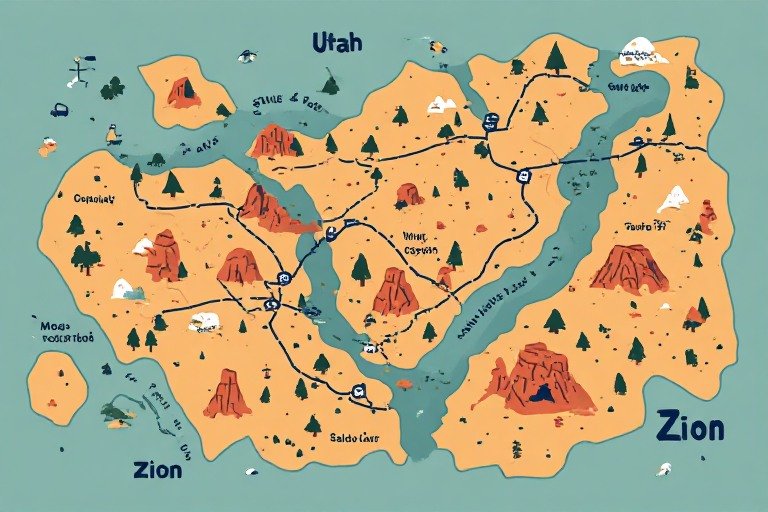
- Salt Lake City → Moab drive, 4 hrs.
- Arches National Park.
- Canyonlands National Park.
- Moab → Capitol Reef → Torrey.
- Torrey → Bryce Canyon.
- Bryce Canyon → Zion (Springdale).
- Zion → fly out of Las Vegas or back to Salt Lake City.
2. Costs and Passes
- Individual park entry: $30–35 per vehicle valid 7 days at that park.
- America the Beautiful Annual Pass: $80 — pays for it self after visiting 3 parks covers every national park/monument in the U.S for a year.
- Lodging: Ranges widely — expect higher rates and earlier booking windows near Zion and Moab in peak season April–October.
- Fuel: Distances between parks are long with limited gas stations in between especially Highway 12 and the Hanksville stretch fill up whenever you’re below half a tank.
3. Permits and Reservations (2026 Status)
- Arches: No timed-entry reservation required for 2026 — enter any time during operating hours.
- Zion: No general entry reservation, but the Angels Landing hike requires a permit via lottery (seasonal advance lottery plus a next-day lottery).
- Devils Garden Campground (Arches): Reservations required March–October via Recreation.gov; first-come, first-served November–February.
- Always check each park’s official NPS page shortly before your trip — these systems change from year to year.
4. Safety and Practical Tips
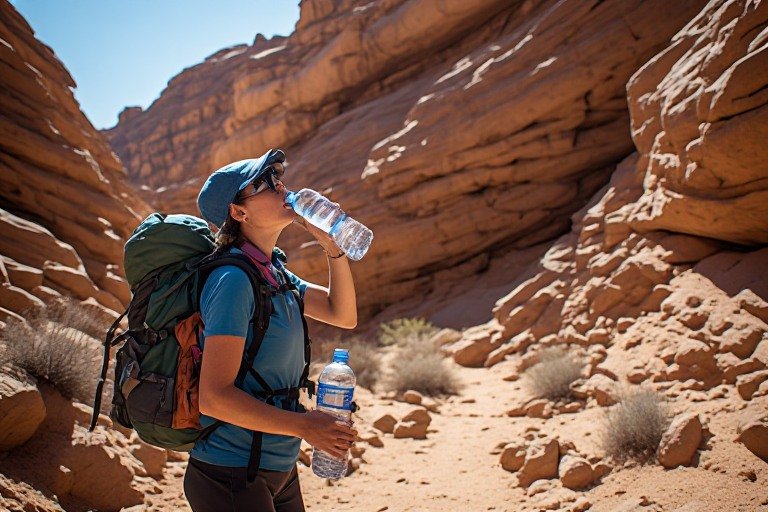
- Heat and hydration: Carry more water than you think you need a gallon per person per day is standard advice in the desert parks in summer.
- Flash floods: Slot canyons like The Narrows and Grand Staircase-Escalante canyons can flood suddenly during monsoon season July–September. Check forecasts and ranger advisories before entering.
- Altitude: Parts of Bryce Canyon sit above 8,000 feet those unaccustomed to elevation may feel short of breath or lightheaded.
- Cell service: Expect little to no signal inside most parks and along remote scenic byways Highway 12, Needles District. Download offline maps before hand.
- Wildlife: Rattlesnakes are present in all five parks stay on marked trails and watch where you place your hands and feet when scrambling on rock.
5. Beyond the Mighty 5
- Salt Lake City: Temple Square the Natural History Museum of Utah, and easy access to Big Cottonwood Canyon hiking.
- Grand Staircase Escalante National Monument: Slot canyons and backcountry routes for travelers wanting fewer crowds.
- Lake Powell: Boating and house boat trips near the Arizona border.
- Bonneville Salt Flats: A surreal stop for photography especially around sunrise or sunset.
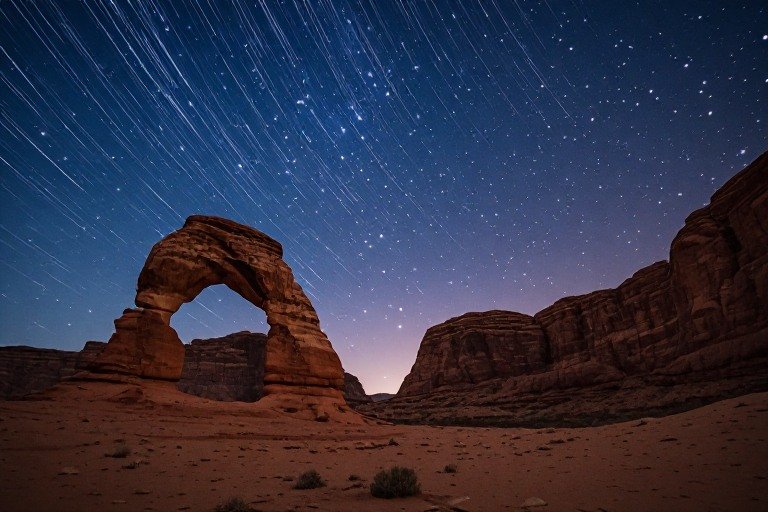
- Dark sky parks: Utah has more International Dark sky designated parks than any other state making stargazing a highlight in almost every region.
6. Adventure Activities Beyond Hiking
Mountain Biking
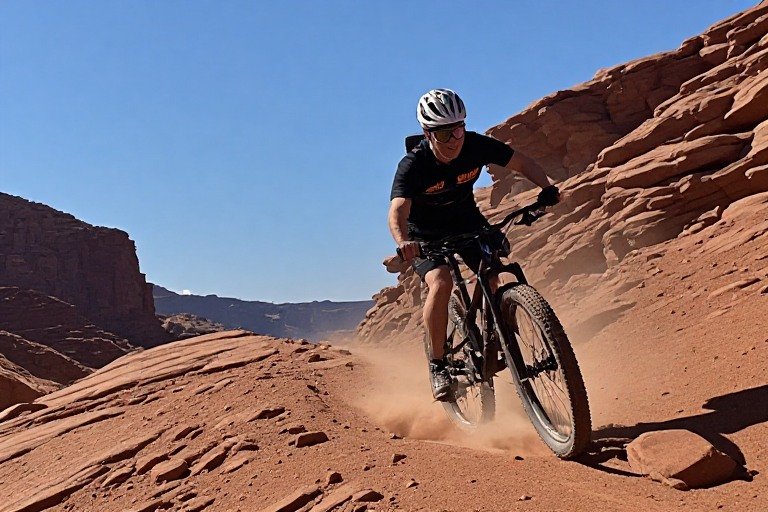
Moab is one of the birthplaces of modern mountain biking with trail systems ranging from beginner slick rock rides to advanced technical descents. Fall early October is peak season for demo festivals where riders test new bikes across multiple brands with shuttle service to trail heads included.
Fly Fishing
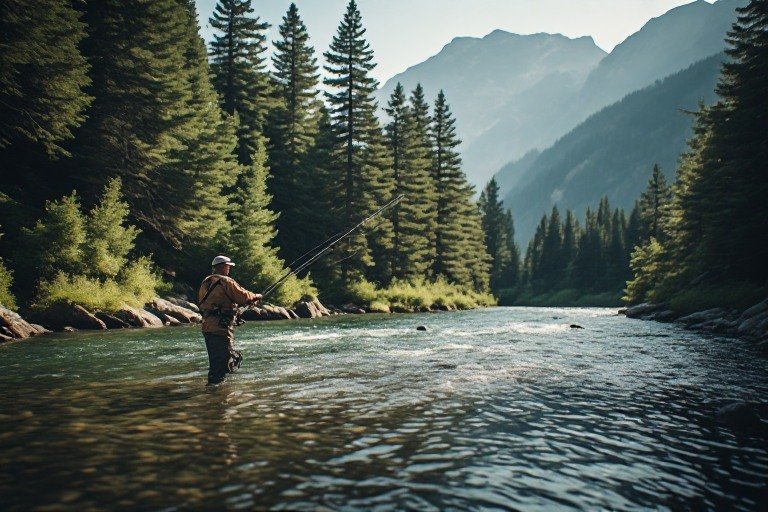
The Wasatch region around Park City and Salt Lake City offers some of Utah’s best fly fishing, particularly on the Provo River and Weber River known for brown, rainbow and cutthroat trout. Guided half day and full day trips are widely available for visitors with out their own gear.
Skiing and Winter Sports
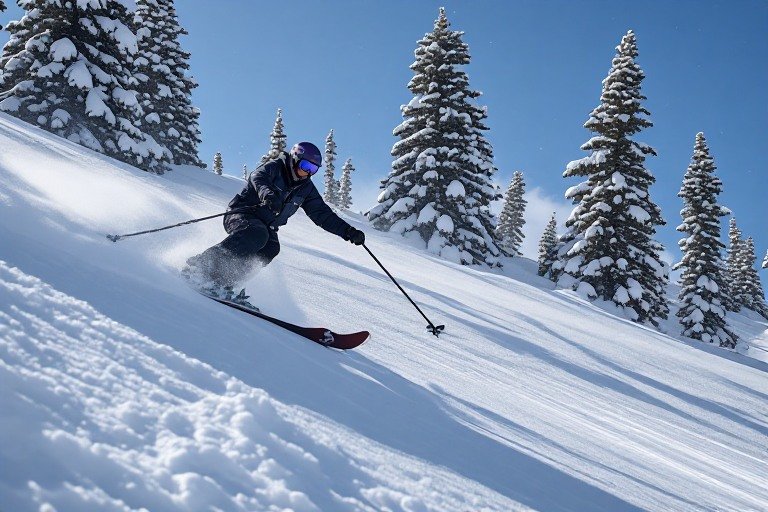
Park City and the greater Wasatch Range host several major ski resorts a legacy of the 2002 Winter Olympics. Utah’s dry, powder-heavy snow draws skiers from December through April.
7. Underrated Regions Worth a Detour
Most Utah travel guides focus entirely on the Mighty 5 corridor and miss smaller regions within easy reach of the main cities:
- Morgan Valley: About an hour from Salt Lake City, Ogden and Park City this quieter valley offers rafting, skiing, fishing and pioneer era history with out the crowds of the bigger tourist towns.
- Richfield / Central Utah: A hub for hiking access to Fishlake National Forest often skipped in favor of the southern parks corridor.
- Ogden: A less crowded alternative to Salt Lake City and Park City with its own ski resorts and a walkable historic down town.
Frequently Asked Questions
Is Utah expensive to visit? It can be moderate the main costs are lodging near popular parks in peak season and fuel for long driving distances entry fees them selves are low relative to the number of parks covered by one pass.
Can you see Utah without a rental car? Not practically there’s no public transit connecting the parks. Some guided multi-day tours exist out of Salt Lake City or Las Vegas for travelers who don’t want to drive.
Is Utah family-friendly? Yes — most Mighty 5 view points and shorter trails are accessible for families though some signature hikes Angels Landing, The Narrows are strenuous or require permits.
What should I pack? Layers desert temperatures swing widely day to night, sturdy hiking shoes, a wide brim hat, sunscreen a reusable water bottle or hydration pack and a physical map or downloaded off line maps.
Do I need a 4WD vehicle? Not for the main park roads which are paved. Backcountry roads in Canyonlands’ Needles/Island in the Sky districts and parts of Grand Staircase Escalante do require high clearance or 4WD vehicles, especially after rain.
Is Utah just about national parks? No — Utah is also a major destination for mountain biking (Moab) fly fishing Provo and Weber Rivers near Park City, and skiing Wasatch resorts near Salt Lake City and Park City.
Are there quieter alternatives to Moab or Springdale? Yes — areas like Morgan Valley, Ogden and Richfield offer similar outdoor access rafting, hiking, fishing, skiing with far fewer crowds than the main park gateway towns.

Expert contributor and editor at Urban Time News specializing in smart city infrastructure urban development technology and modern lifestyle trends. Focused on delivering accurate well researched and data driven insights that help readers better understand the rapidly changing urban landscape. Committed to clear balanced and useful reporting on the trends ideas, and innovations shaping modern city life.