

Planning a trip to paradise can feel over whelming when you’re staring at six major islands dozens of resort towns and an endless list of must do activities. This Hawaii Travel Guide is built to cut through the noise. Think of it as your all in one Hawaii Vacation Guide covering everything from choosing an island to packing your suitcase, so your trip actually comes together instead of staying a pile of open browser tabs.
Why Hawaii Belongs on Your Travel List
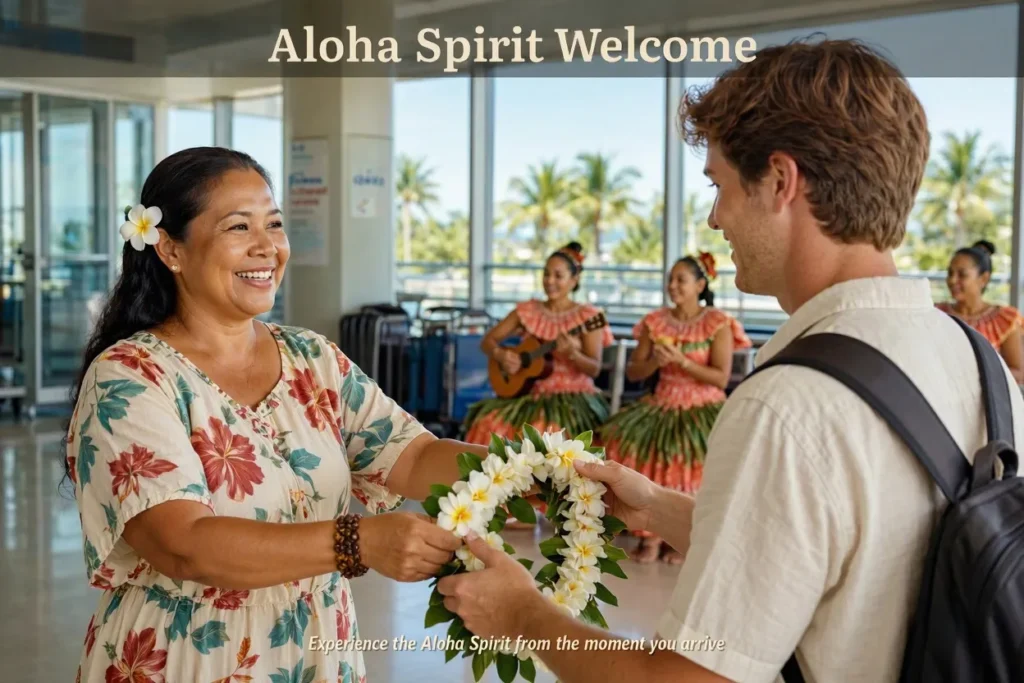
Hawaii isn’t just a beach destination it’s a full sensory experience. The islands sit further from any other land mass than any where else on Earth which gives them a character you won’t find anywhere else dramatic volcanic landscapes rainforests black sand beaches and a culture built on the spirit of Aloha a word that carries far more weight than hello or goodbye. It represents warmth, respect and generosity and you’ll feel it in how locals treat visitors from the moment you land.
Add to that a climate that covers nearly every zone on the planet a food scene shaped by generations of Polynesian, Asian and Western influence and wild life you can’t see anywhere else in the U.S and it’s easy to understand why Hawaii keeps travelers coming back.
Which Hawaiian island Should you Choose?
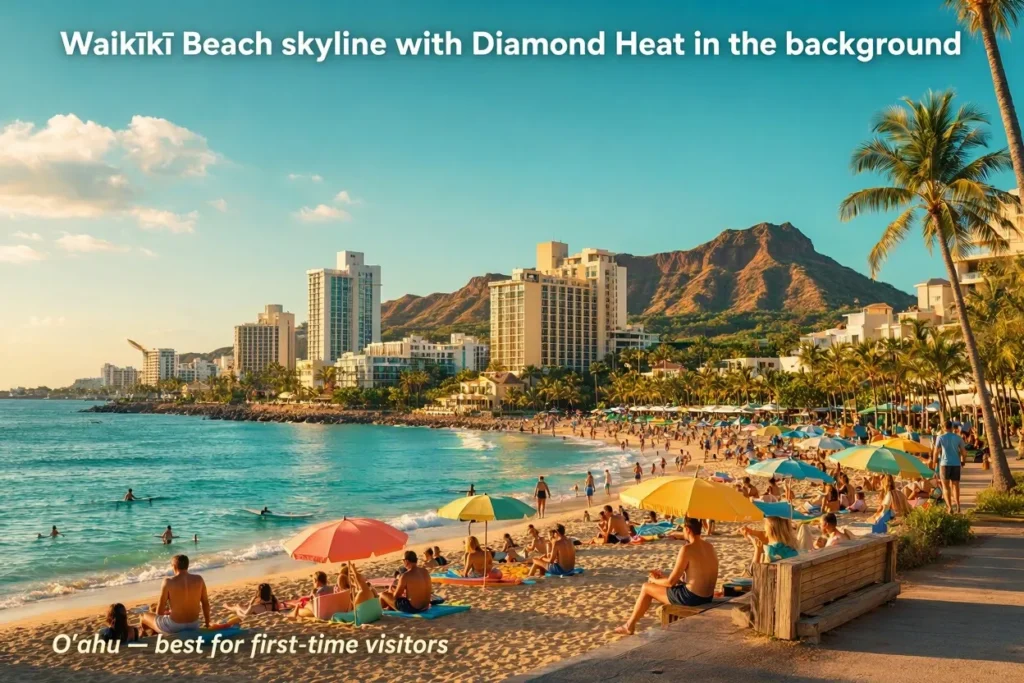
This is usually the first and hardest decision in any Hawaii Vacation Guide because each island has a distinct personality:
- Oʻahu — Best for 1st time visitors home to waikīkī pearl harbor and the North shore surf scene. The most city energy, nightlife and infrastructure of any island.
- Maui — The classic resort escape. Known for luxury resorts the road to Hana and Haleakala sunrise. A strong pick for honeymoons and relaxed family trips.
- Hawaiʻi Island (the Big Island) — Best for dramatic landscapes. Active volcanoes black and green sand beaches, snow capped Mauna Kea and the widest range of climates on one island.
- Kauaʻi — The quiet, dramatic choice. Fewer crowds the Na Pali Coast and a slower pace suited to hikers and nature lovers.
If you’re short on time pick one island and go deep rather than island hopping. Most 1st timers do well starting with Oʻahu or maui before branching out on future trips.
How to Get to Hawaii
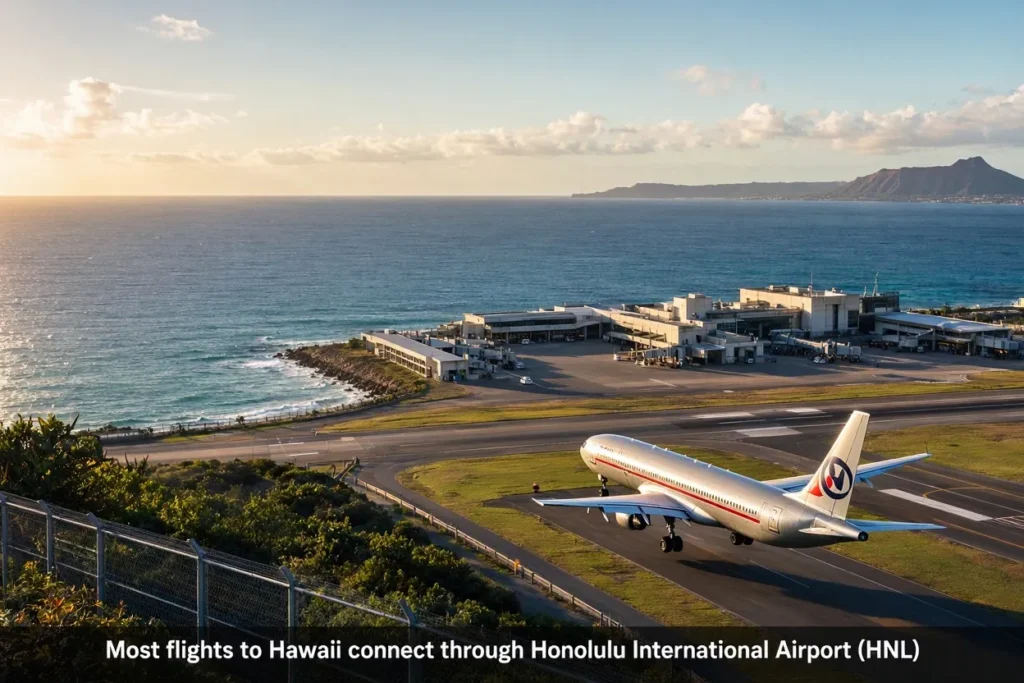
Nearly all direct flights to Hawaii land at Honolulu International Airport (HNL) on Oʻahu with additional direct flights available to Maui (OGG) Kauaʻi (LIH) and Hawaiʻi island (KOA) from several major U.S mainland cities. If your destination island doesn’t have direct flights from your departure city you’ll likely connect through Honolulu and take a short inter island flight these run frequently and typically take 30–45 minutes between islands.
A few practical tips:
- Book flights 3–6 months ahead for the best fares especially around winter holidays and summer.
- Inter island flights are usually cheaper when booked separately rather than as an add on to your mainland ticket compare both.
- Red eye flights from the West coast are common and can save a travel day, but factor in the adjustment time once you land.
Where to Stay in Hawaii
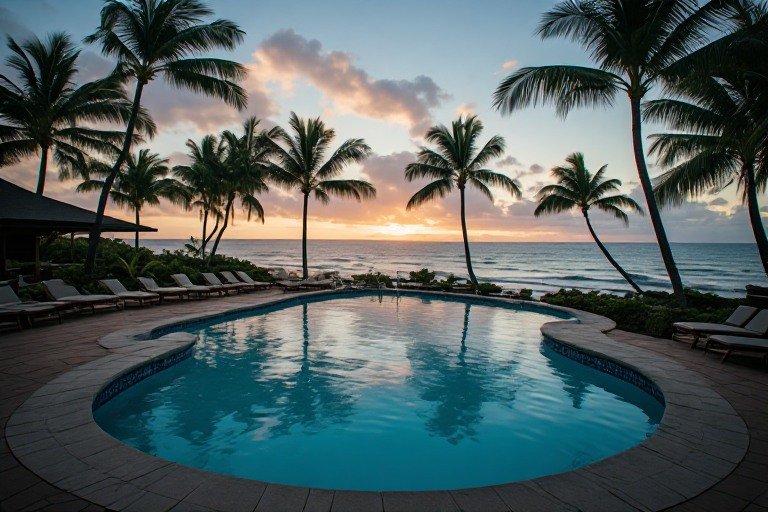
Accommodation options vary widely by island and budget:
- Resorts — Best for travelers who want amenities (pools, luaus, activity desks, easy beach access) taken care of for them. Concentrated in areas like Waikīkī, Wailea, and Poʻipū.
- Vacation rentals and condos — A strong option if you plan to cook some meals or want more space, especially for families or longer stays. Often more budget-friendly per night than a full-service resort.
- Boutique hotels — A middle ground with local character, often found in smaller towns away from the main resort corridors.
- Camping — Available on several islands for travelers who want a low-cost, immersive option, though it requires more advance planning around permits and gear.
Book accommodations early, particularly for winter (whale season) and summer travel, when availability on the most popular stretches of coastline drops fast.
Getting Around: Transportation in Hawaii
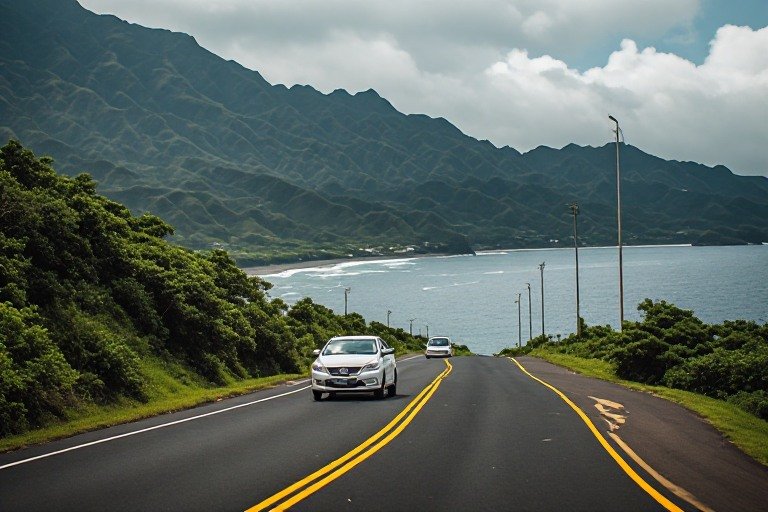
Renting a car is the most practical choice on every island except Oʻahu, where TheBus system is extensive enough that many visitors skip a rental entirely, especially if they’re staying in Waikīkī. Keep in mind that many Honolulu resorts charge steep daily parking fees, which can offset any savings from renting.
On Maui, Kauaʻi, and the Big Island, a rental car is close to essential — public transportation is limited, and many of the best beaches, hikes, and viewpoints are well outside town centers. Book your rental car early; availability tightens fast during peak season, and prices can spike significantly if you wait.
Activities and Attractions
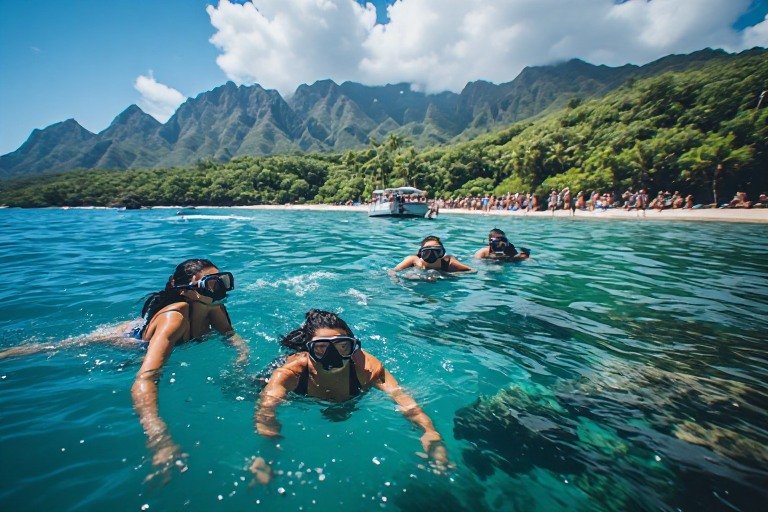
Hawaii’s activity list is long: snorkeling, whale watching, luaus, waterfall hikes, surfing lessons, volcano tours, and sunset sails, to name a few. A few planning tips:
- Popular tours (especially snorkel boats and luaus) can sell out weeks in advance during holidays — book those early.
- Weather-dependent activities like snorkeling can be booked closer to your trip once you have a clearer forecast, but accept some risk that your first-choice option may be full.
- Many resorts have an on-site activity desk where you can book excursions in person, which is useful if your plans are still flexible on arrival.
Sports and Outdoor Activities

Beyond typical sightseeing, Hawaii is a genuine playground for active travelers:
- Surfing — Learn on the gentler breaks of Waikīkī, or watch professionals tackle the North Shore’s winter swells.
- Snorkeling and diving — Hanauma Bay (Oʻahu), Molokini Crater (Maui), and Kealakekua Bay (Big Island) are standout spots.
- Hiking — From the accessible Diamond Head crater trail to the more demanding Kalalau Trail on Kauaʻi’s Nā Pali Coast.
- Golf — World-class courses across Maui and the Big Island, many with ocean views.
- Stand-up paddleboarding and kayaking — Widely available on calmer coastal waters and rivers.
Match activity intensity to your travel group — Hawaii offers something for total beginners and seasoned athletes alike.
Relax and Unwind
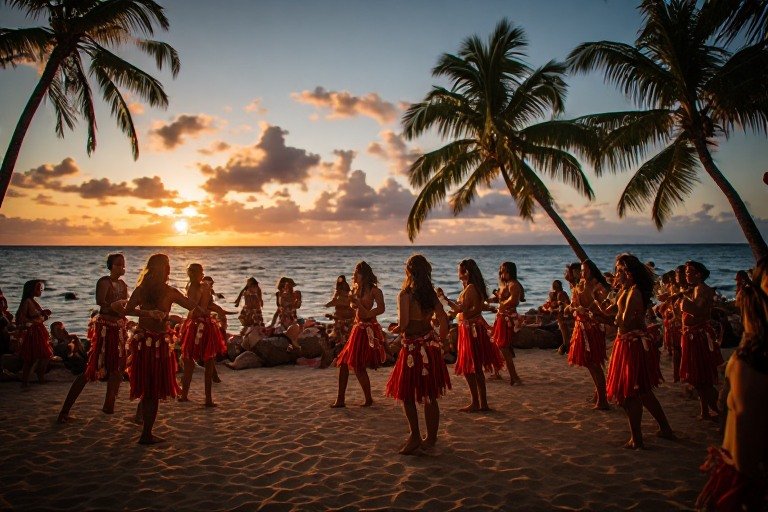
Not every day needs to be packed. Some of the best ways to slow down in Hawaii include:
- Attending a traditional luau for food, music, and hula
- Taking a sunset catamaran cruise
- Whale watching from a beach or oceanfront lānai during winter months (roughly December through March, when humpback whales are most active in Hawaiian waters)
- Simply choosing a quieter beach over a crowded resort strip for an afternoon
Wildlife You Might Encounter
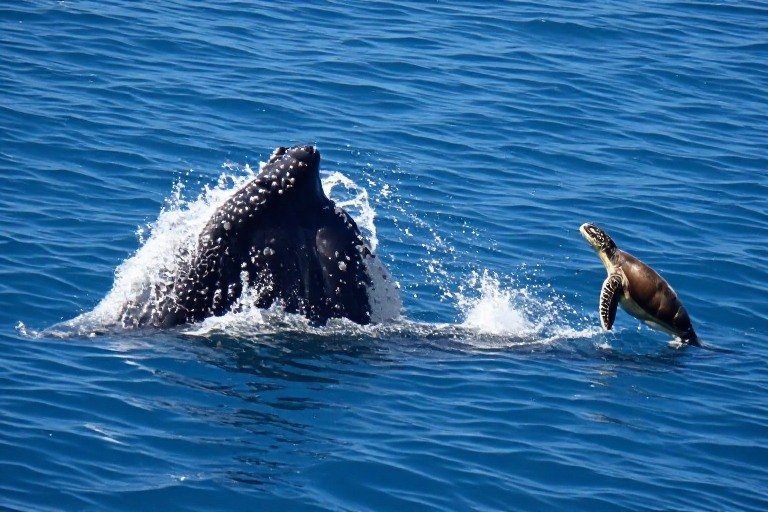
Hawaii’s wildlife is part of what makes the islands feel different from any other beach destination:
- Humpback whales — Present in Hawaiian waters roughly December through March
- Hawaiian green sea turtles (honu) — Commonly spotted resting on beaches and reefs
- Hawaiian monk seals — An endangered species that occasionally hauls out on popular beaches
If you encounter any of these animals, keep a respectful distance and never attempt to touch or feed them — both for their protection and because it’s enforced by law in many areas.
The Hawaii Food Scene
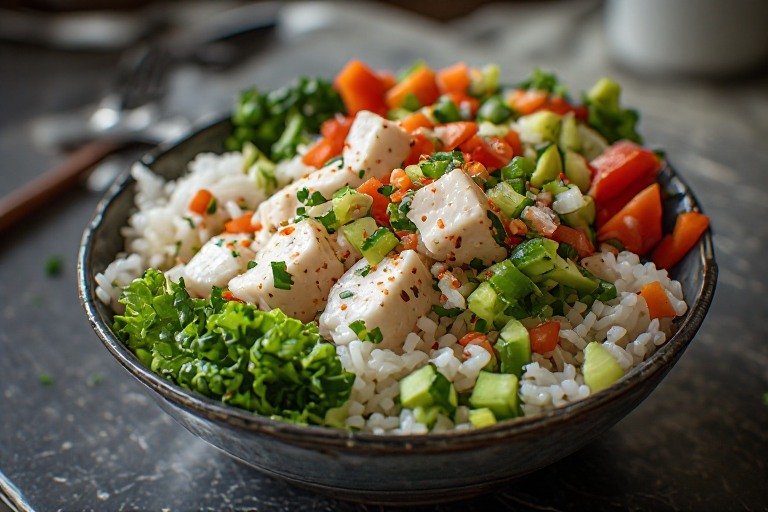
Hawaii’s food culture blends centuries of Polynesian tradition with waves of Japanese, Chinese, Filipino, Korean, and Portuguese influence. A few things worth trying:
- Plate lunch — A local staple combining a protein, rice, and macaroni salad
- Poke — Fresh, marinated raw fish, available everywhere from gas stations to high-end restaurants
- Loco moco — Rice, a hamburger patty, gravy, and a fried egg
- Shave ice — A refreshing dessert, especially popular on hot afternoons
If you’re staying somewhere with a kitchen, local farmers markets are worth a visit — Hawaii’s volcanic soil and consistent sun make for excellent fresh produce.
Getting Travel Protection
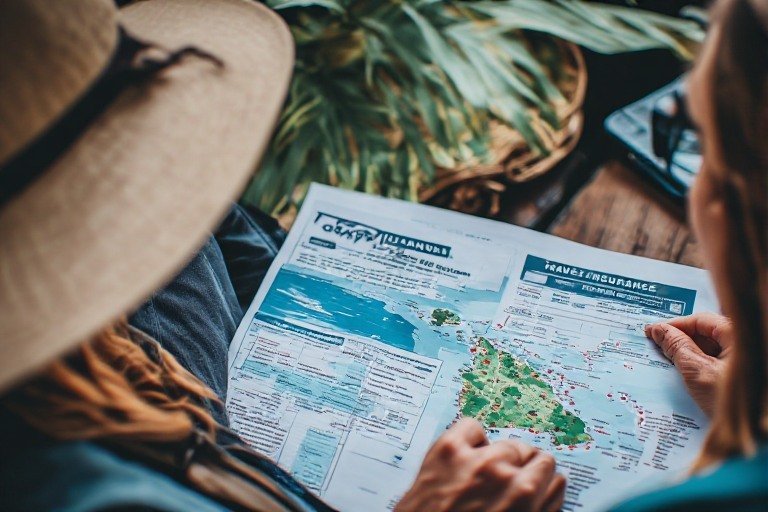
Travel protection is worth serious consideration for a Hawaii trip, given the cost of flights, resort stays, and the distance from home if plans go wrong. Two common approaches:
- Credit card travel benefits — Some cards include trip protection automatically when you book with them; check your card’s benefits guide before assuming you’re covered.
- Standalone travel insurance plans — Often provide broader coverage, including trip cancellation, medical emergencies, and lost luggage. This is especially worth considering if you’re booking a vacation rental directly with an owner, since those bookings don’t come with the built-in protections of a major booking platform.
Keep documentation (contracts, receipts, confirmation emails) in one place so you can file a claim quickly if needed.
Packing for Your Hawaii Trip
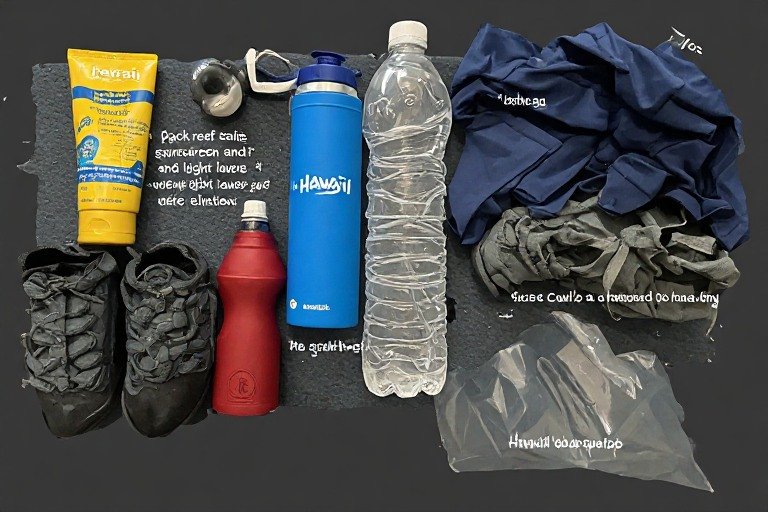
Pack light, breathable, and reef-conscious:
- Reef-safe sunscreen — Some Hawaii beaches and regulations discourage or restrict sunscreens containing oxybenzone and octinoxate; pack a mineral-based, reef-safe option.
- Layers for elevation changes — Temperatures drop significantly at higher elevations (like Haleakalā or Mauna Kea), so bring a light jacket even on a tropical trip.
- Reusable water bottle — Tap water is safe to drink on all islands, and refill stations are common at trailheads and airports.
- Rain jacket or light poncho — Especially if you’re staying on a windward (rainier) coast.
- Water shoes — Useful for rocky beach entries and lava rock coastlines.
- Light, breathable clothing — Humidity is real; natural fabrics hold up better than heavy synthetics.
Getting Help in Case of Emergency
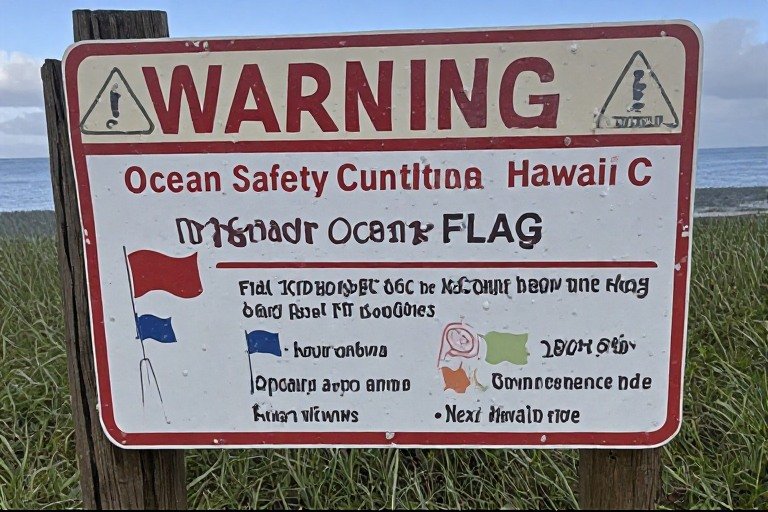
Before you go, it’s worth knowing the basics:
- Emergency number: 911 works across all islands for police, fire, and medical emergencies.
- Ocean safety: Check daily beach conditions and heed posted warning flags — currents and surf conditions can change quickly and vary a lot by beach.
- Hospitals and urgent care: Each major island has hospital facilities, though more rural areas (like parts of the Big Island or Kauaʻi) may involve a longer drive to reach one — worth factoring in if you’re staying somewhere remote.
- Natural hazard alerts: Hawaii is subject to hurricanes, flash floods, high surf, and volcanic activity depending on the island and season. Check local county civil defense alerts and the National Weather Service before and during your trip.
Buying Gifts in Hawaii
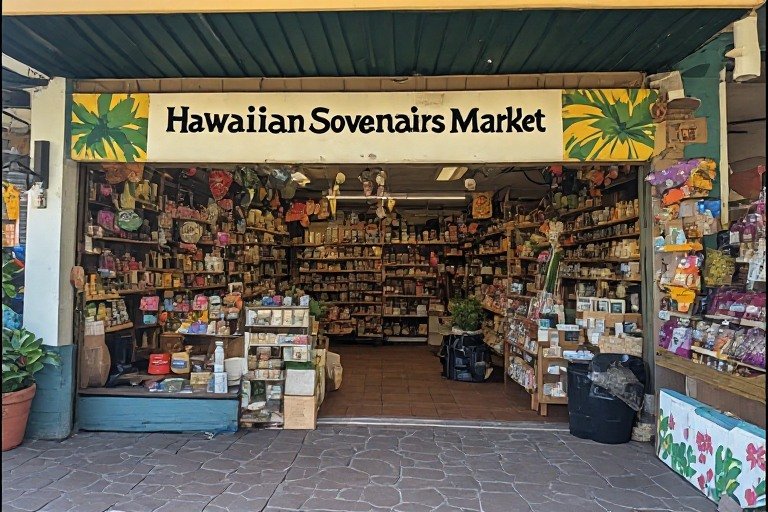
Locally made gifts are easy to find across the islands — from farmers markets and museum shops to small boutiques. Popular categories include:
- Hawaiian-made perfumes and scented products (plumeria, gardenia, and pikake are classic island scents)
- Locally roasted coffee (Kona coffee in particular)
- Hand-made jewelry and art from local artisans
- Locally grown macadamia nuts and specialty foods
Ordering online ahead of your trip can help you lock in items before they sell out, especially around holidays.
Final Thoughts
This Hawaii Travel Guide is designed to be a starting point, not the final word — every island, and often every town, has its own rhythm worth discovering in person. Use this Hawaii Vacation Guide to make your major decisions (island, flights, lodging, car rental) early, and leave room in your itinerary to slow down and follow the Aloha spirit where it takes you.

Expert contributor and editor at Urban Time News specializing in smart city infrastructure urban development technology and modern lifestyle trends. Focused on delivering accurate well researched and data driven insights that help readers better understand the rapidly changing urban landscape. Committed to clear balanced and useful reporting on the trends ideas, and innovations shaping modern city life.