

There’s a reason California shows up on almost everyone’s travel list at some point. It’s not one destination, really — it’s a dozen different trips stitched together. Beach towns, mountain trails, vineyards, movie studios, desert parks. This guide breaks down what you actually need to know before you go, based on the questions people ask most: when to visit, where to stay, what it costs, and what to watch out for.
Why People Keep Coming Back to California
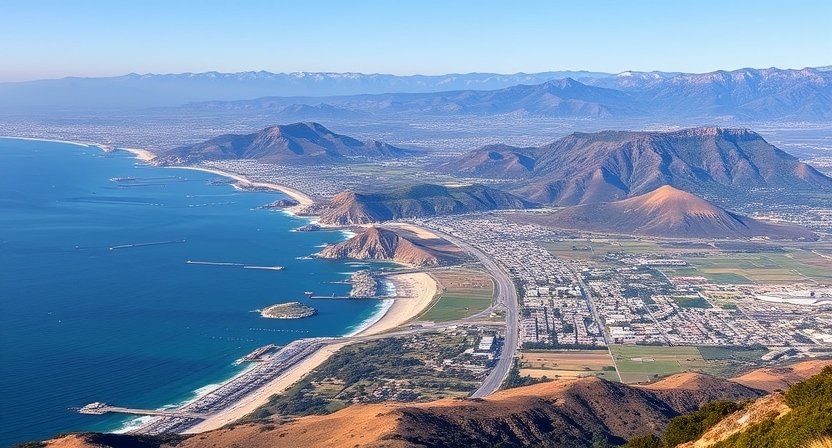
As the most populous state in the country, California doesn’t really have one personality — it has several. You could spend a morning walking the Hollywood Walk of Fame and by afternoon be standing under redwoods that were already centuries old when the studios were built. Napa’s an hour from cities that never quite slow down, and Malibu’s coastline feels like a different state entirely from the desert two hours east. That range is exactly why a proper California Travel Guide matters — without one, it’s easy to either overplan or completely underestimate how much ground there is to cover.
Best Time to Visit California
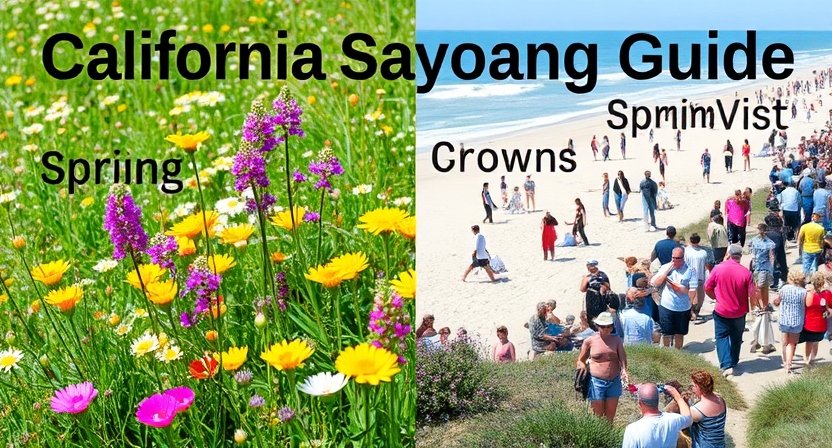
This really depends on what you’re going for:
- Spring (March–May): wildflowers, mild temperatures, fewer people on the road. Good window for a driving trip.
- Summer (June–August): the busiest stretch. Beaches and parks are at their best, but inland spots like Death Valley or the Central Valley get brutally hot.
- Fall (September–November): probably the most underrated season — wine country is at its peak, the crowds thin out, and the coast stays warm.
- Winter (December–February): skiing up in the Sierra Nevada if that’s your thing, or head south where it’s mild enough to still hit the beach.
Getting There and Getting Around
Most people fly into LAX, SFO, or San Diego — all three are well served from major cities worldwide. Once you land, though, plan on renting a car. California’s just too spread out for public transit to cover everything worth seeing; a lot of the best stuff — coastal drives, wine country, national parks — isn’t reachable any other way. San Francisco and LA do have decent transit and rideshare coverage within the city itself, and Amtrak connects a few of the bigger stops if you’d rather skip driving for part of the trip.
Entry Requirements for International Visitors
If you’re coming from a visa-waiver country, an approved ESTA covers stays of up to 90 days. Everyone else will need a B-2 tourist visa. Requirements do shift from time to time, so it’s worth double-checking with the U.S. embassy in your country before you book anything.
The Regions, Briefly
California’s usually split into a few broad regions, and each one feels genuinely different:
- Northern California: San Francisco, Napa Valley, and the redwood forests further up the coast.
- Central California: Big Sur’s cliffside drives, Monterey, and the farmland that feeds half the country.
- Southern California: LA, San Diego, and the beaches most people picture when they think of the state.
- Eastern California: Death Valley, the Sierra Nevada, Yosemite.
- Inland Empire and the desert: Palm Springs, Joshua Tree.
What’s Actually Worth Your Time

- National parks — Yosemite, Joshua Tree, Sequoia, and Redwood are the big ones, each with a completely different landscape.
- Beaches — Malibu, Santa Monica, and Laguna Beach cover the range from laid-back to postcard-perfect.
- Wine country — Napa gets the attention, but Sonoma County is quieter and arguably just as good.
- Theme parks — Disneyland, Universal Studios, and Legoland pull in millions of visitors a year for good reason.
- Landmarks — Alcatraz, the Hollywood Walk of Fame, the Golden Gate Bridge. The obvious ones, but they’re obvious for a reason.
So, How Many Days Do You Actually Need?
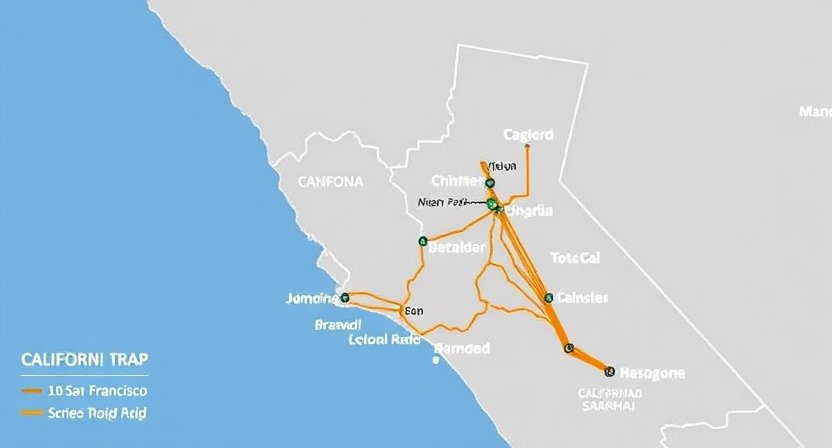
Five days is enough to do one region justice — LA and San Diego together, say, or San Francisco paired with Napa. If you want to mix cities, coastline, and at least one national park without feeling rushed, give it 10 to 14 days. Trying to see the whole state, redwoods to desert, is realistically a three-week trip.
[ Image placeholder: Suggested California road-trip itinerary map ]
Where to Stay

Prices swing a lot depending on where and when. Motels and hostels run roughly $70–120 a night, mid-range hotels land around $150–300, and beachfront or boutique places can push past $400 once you’re into peak season. If you’re traveling with family or staying somewhere longer than a few nights, a vacation rental outside the city center usually works out cheaper and gives you more space.
[ Image placeholder: California hotel and resort options ]
What It’ll Cost You
Rough numbers: budget travelers can get by on $100–150 a day covering food, a place to sleep, and local transport. Mid-range trips tend to run $200–350 a day. Past that, $400+ a day gets you more flexibility and comfort. Worth setting aside extra for the car rental, national park entry fees, and any theme park tickets — those add up fast and aren’t always included in the daily estimate.
Etiquette and a Few Practical Things
The vibe changes depending on where you are. LA and San Francisco move fast and people tend to get straight to the point; smaller towns and the coast are noticeably more relaxed. A quick “hi” or a nod covers most casual interactions, and handshakes are standard in anything professional.
Tipping isn’t optional in most service settings — restaurants expect 15–20%, bartenders usually get $1–2 per drink, hotel staff $2–5 per service, and rideshare or taxi drivers 10–20%.
Californians also take environmental stuff fairly seriously — recycling, reusable bags, watching water use. In the parks specifically, stick to marked trails, follow any fire bans, and leave wildlife alone. Rangers do enforce this.
A Few Safety Notes
- Wildfires: season usually runs late summer into fall, mostly inland and in forested areas. Check local advisories before heading out to hike or camp.
- Earthquakes: they happen. Know the basic “drop, cover, hold on” response just in case.
- City awareness: keep an eye on your belongings in busy tourist spots in LA and SF, especially after dark — nothing unusual for a big city, just worth knowing.
- Emergencies: 911 covers police, fire, and medical, anywhere in the state.
What to Eat

The food scene here pulls from everywhere, which is part of the fun. Grab an In-N-Out burger at some point — it’s a bit of a rite of passage. Fish tacos are a Southern California staple, San Francisco does sourdough and clam chowder better than most places even try, and California rolls are, obviously, from here. A lot of restaurants also lean heavily on farm-to-table, locally sourced menus, especially outside the bigger cities.
Quick Questions People Usually Ask
How many days do I need in California?
Five days for one region, 10–14 for a proper mix of cities, coast, and at least one park.
Is it expensive?
It can be, particularly in the cities during peak season, but there’s enough range in accommodation and food that a tighter budget is doable too.
Best month to go?
September or October — warm, fewer crowds, lower wildfire risk than midsummer in most areas.
Do I really need a car?
For most trips, yes. Public transport handles the city centers fine, but not the drives between them.
Last Thing
However you plan it — coastline, mountains, cities, all of it — California tends to deliver. Use this as a starting point, but don’t lock the itinerary down too tightly. Some of the best parts of a trip here come from the stop you didn’t plan on making.

Expert contributor and editor at Urban Time News specializing in smart city infrastructure urban development technology and modern lifestyle trends. Focused on delivering accurate well researched and data driven insights that help readers better understand the rapidly changing urban landscape. Committed to clear balanced and useful reporting on the trends ideas, and innovations shaping modern city life.