

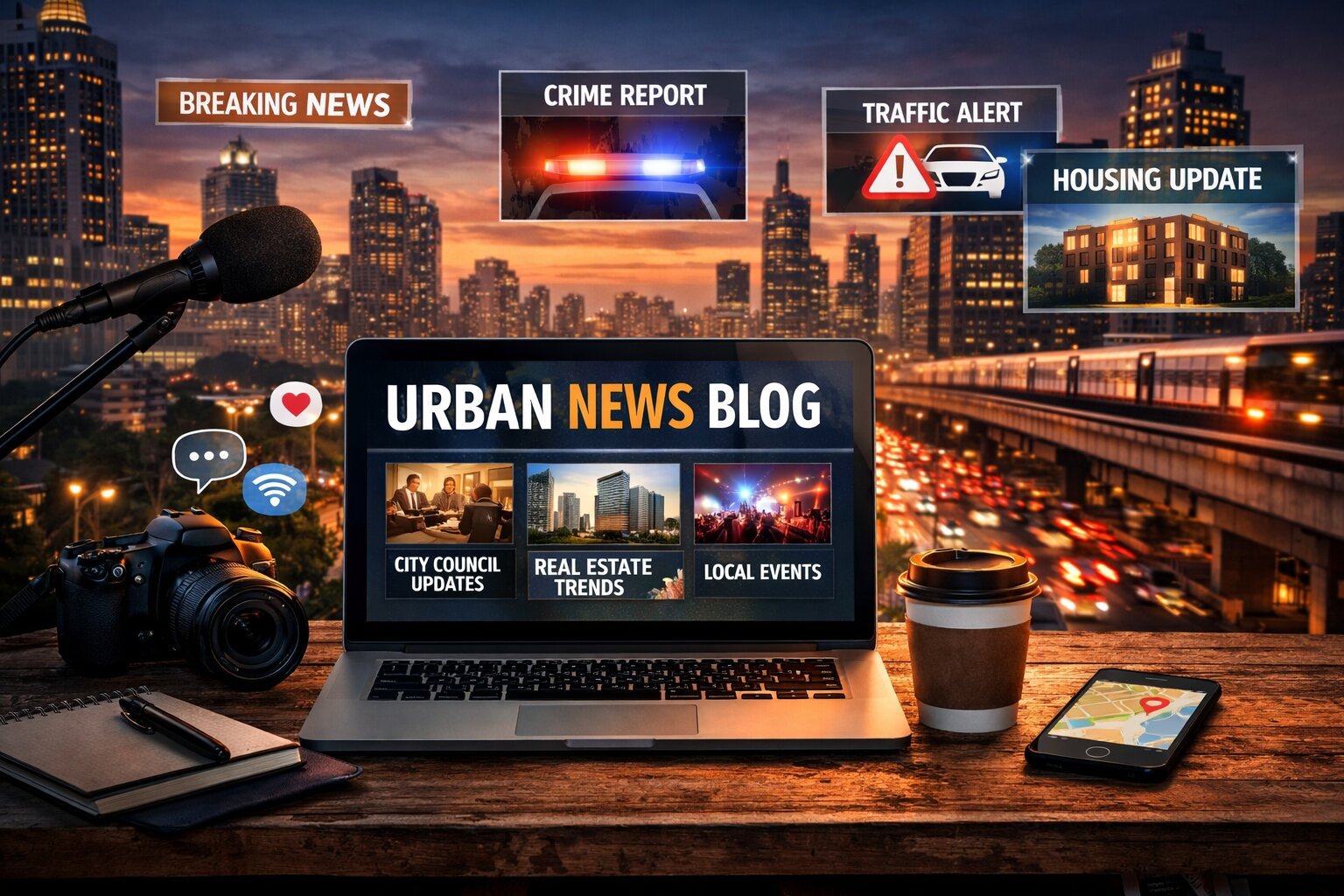
Cities move fast. Policies change overnight. New restaurants open on Tuesday and close by Sunday. Transit updates, zoning decisions, crime reports, cultural festivals urban life doesn’t pause. That’s exactly why the urban news blog has become one of the most important digital media formats of the past decade.
Unlike traditional newspapers with rigid publishing cycles, an urban-focused blog can respond in real time, provide hyperlocal insights, and connect directly with city residents. But not every blog earns trust. In today’s search environment shaped by Google’s E-E-A-T (Experience, Expertise, Authoritativeness, Trustworthiness) framework credibility matters more than ever.
Let’s explore what makes a high quality urban news blog, how it serves communities, and how to build one that both readers and search engines respect.
What Is an Urban News Blog?
An urban news blog is a digital publication focused on city-related topics. It covers local government decisions, neighborhood developments, infrastructure updates, public safety, housing, business openings, cultural events, and community issues.
Unlike large national outlets such as The New York Times, which cover global and national stories, an urban news blog prioritizes hyperlocal relevance. Readers come not for international diplomacy, but for updates on:
- A new zoning proposal
- Changes in public transportation routes
- School district announcements
- Real estate trends
- Community protests or city council meetings
In short, it focuses on what directly impacts residents’ daily lives.
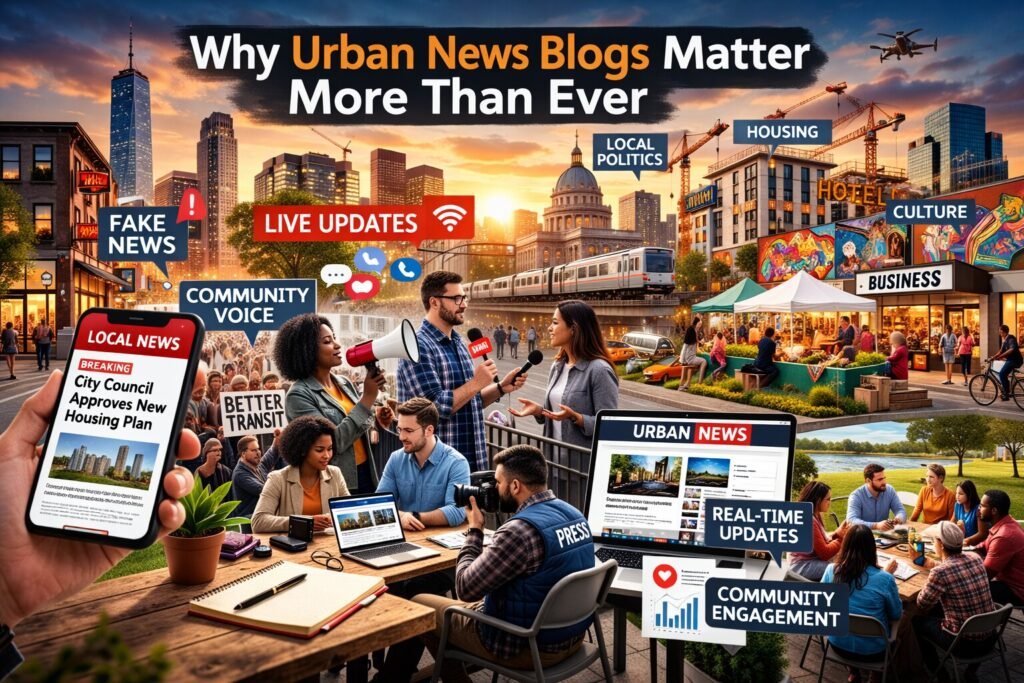
Why Urban News Blogs Matter More Than Ever
1. Decline of Local Newspapers
According to the University of North Carolina’s Hussman School of Journalism, thousands of local newspapers have closed across the United States over the past two decades. Many communities now live in what researchers call “news deserts.”
When local papers shut down, accountability weakens. City councils operate with less scrutiny. Residents lose reliable information channels.
Urban news blogs often step in to fill this gap.
2. Real Time Reporting
Traditional print journalism operates on fixed publishing schedules. Blogs, however, update instantly. When a mayor announces a new housing policy at 2:00 PM, an urban news blog can publish analysis by 3:00 PM.
This agility is especially critical in cities facing:
- Rapid real estate development
- Public safety emergencies
- Infrastructure disruptions
- Transportation changes
3. Community Engagement
Unlike legacy media, blogs allow comments, newsletters, and social sharing. Readers can engage directly with the publisher. This builds trust and strengthens community dialogue.
Core Content Areas of a Strong Urban News Blog
A well-structured blog typically organizes its content into several consistent verticals.
Local Government & Policy
City governance shapes urban life. Coverage should include:
- City council meetings
- Mayor’s office updates
- Budget allocations
- Zoning decisions
- Public hearings
When referencing official policies, always link to primary sources such as city government websites or official press releases. This supports E-E-A-T and prevents misinformation.
Real Estate & Urban Development
Housing is often the most searched topic in major cities.
Coverage may include:
- New apartment developments
- Rent stabilization updates
- Property tax changes
- Commercial real estate trends
- Infrastructure projects
For example, when discussing zoning or housing law changes in New York City, referencing official updates from NYC Planning or city government pages ensures accuracy.
Public Safety & Crime Reporting
Responsible crime reporting is essential. Avoid sensationalism. Use verified police department reports or public records.
Credible blogs prioritize context over clickbait. They avoid speculation and clearly distinguish between confirmed facts and ongoing investigations.
Transportation & Infrastructure
Transit is the heartbeat of urban environments.
Urban blogs often cover:
- Subway or bus route changes
- Traffic updates
- Bike lane expansions
- Construction projects
- Environmental planning
In cities like London, referencing official updates from Transport for London helps maintain factual accuracy. In U.S. cities, municipal transportation departments provide similar authoritative sources.
Culture & Lifestyle
Not everything is policy and zoning.
Urban blogs also spotlight:
- Restaurant openings
- Art exhibitions
- Music festivals
- Community markets
- Local entrepreneurs
This balance keeps readers engaged and humanizes the publication.
How to Build Trust in an Urban News Blog
Trust is the currency of digital publishing.
Google’s Search Quality Rater Guidelines emphasize E-E-A-T, especially for topics affecting public life and safety.
Here’s how an urban blog can align with those principles.
1. Show Real Experience
Writers should demonstrate familiarity with the city. That means:
- Attending public meetings
- Conducting interviews
- Visiting locations
- Using original photography
First-hand reporting builds authenticity that aggregated content cannot match.
2. Cite Verifiable Sources
Never fabricate statistics. Always reference:
- Government websites
- Official press releases
- Public records
- Recognized institutions
For example, if discussing urban housing trends, referencing reports from the U.S. Census Bureau or city housing authorities adds credibility.
3. Maintain Editorial Transparency
Trust increases when readers know:
- Who owns the blog
- Who writes the content
- Whether the blog accepts sponsored posts
- How corrections are handled
Clear editorial policies strengthen authority.
4. Avoid Over Optimization
Search engines now detect unnatural keyword stuffing. A credible urban news blog focuses on clarity first, SEO second.
Use natural language. Write for humans. Optimize structure, not spam.
Best Practices for Urban News Blogs
Search visibility matters. But shortcuts backfire.
Use Clear Heading Structures
Organize content with logical H1.H3 headings. This helps both readers and search engines understand topic hierarchy.
Prioritize Helpful Content
Google’s Helpful Content system rewards pages that provide genuine value. Ask:
- Does this answer a real question?
- Does it provide context, not just headlines?
- Would a local resident find this useful?
If the answer is yes, you’re on the right track.
Optimize for Local Search
Urban blogs benefit from local SEO strategies:
- Include city names naturally
- Use neighborhood-specific tags
- Create location-focused categories
- Claim and verify Google Business profiles (if applicable)
Hyperlocal relevance improves visibility for searches like “downtown zoning update” or “city council meeting recap.”
Ethical Considerations in Urban Reporting
Urban journalism often deals with sensitive topics.
Avoid Sensationalism
Crime, protests, and political conflict generate clicks. But exaggeration damages long-term trust.
Stick to facts. Avoid emotionally loaded headlines.
Protect Privacy
When covering local incidents, avoid publishing private information unless officially released by authorities.
Correct Mistakes Promptly
Errors happen. What matters is transparency. Publish corrections clearly and visibly.
Monetization Without Compromising Integrity
Urban news blogs can generate revenue through:
- Display advertising
- Membership models
- Sponsored posts (clearly labeled)
- Local business partnerships
- Events and newsletters
However, editorial independence must remain intact. Sponsored content should never influence news coverage.
Readers notice bias quickly. Once trust erodes, traffic declines.
Urban News Blogging
Modern blogging platforms simplify publishing.
Many urban publishers use:
- WordPress for content management
- Email newsletter platforms for audience retention
- Social media channels for distribution
Analytics tools help track which topics resonate most with readers, guiding future coverage.
However, data should inform not dictate editorial priorities.
The Future of Urban News Blogs
Cities will continue to evolve rapidly. Climate change, housing shortages, transit modernization, and digital infrastructure all shape urban life.
As traditional local media contracts, independent urban news blogs will likely expand their influence.
We may see:
- More nonprofit models
- Community-funded journalism
- Data-driven reporting
- Collaborative citywide investigations
The demand for credible local information isn’t shrinking. It’s growing.
Final Thoughts
An urban news blog is more than a website with city headlines. Done well, it becomes a civic institution an information hub that empowers residents, promotes transparency, and strengthens community ties.
To succeed:
- Focus on accuracy over speed
- Cite authoritative sources
- Write clearly and naturally
- Engage with the community
- Maintain editorial integrity
In an era of misinformation and declining local newspapers, trustworthy urban journalism isn’t optional. It’s essential.
If you build your urban news blog with expertise, transparency, and genuine care for your city, both readers and search engines will reward you. And more importantly, your community will benefit.

“Expert contributor at Urban Time News, specializing in smart city infrastructure, urban development, and modern lifestyle trends. Providing data-driven insights and in-depth analysis to help readers navigate the complexities of city living. Follow for accurate, unbiased reporting on the pulse of the modern urban landscape.”