

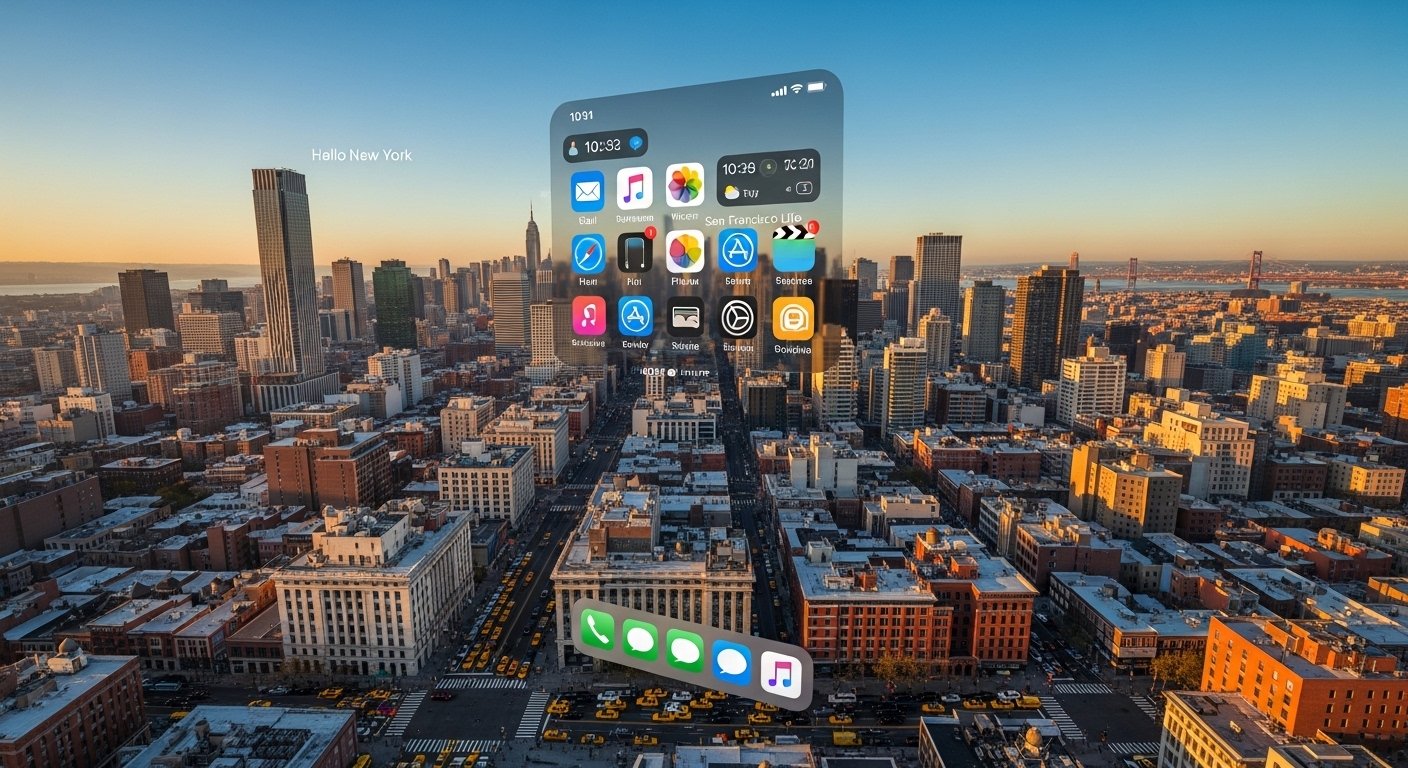
In today’s connected world, where smartphones are practically extensions of our hands and international mobility is part of everyday life, two topics have been capturing public attention: how we manage our digital lives on iPhones and what’s happening with passport processing times in the United States. Though seemingly unrelated at first glance, both subjects reflect deeper trends about how technology intersects with daily life from urban iPhone use and screen habits to global travel plans.
This article brings together up‑to‑the‑minute news and practical insights on:
The latest on iOS and Screen Time features in the U.S. tech landscape
What’s really happening with passport processing times today
How these trends affect families, travelers, and smartphone users alike
The Latest on iOS and Screen Time News in Urban USA
Apple’s mobile platform, iOS, continues to evolve not just with flashy visuals, but with features that shape how we use our phones every day.
iOS 26: A Major Update With Real Impact
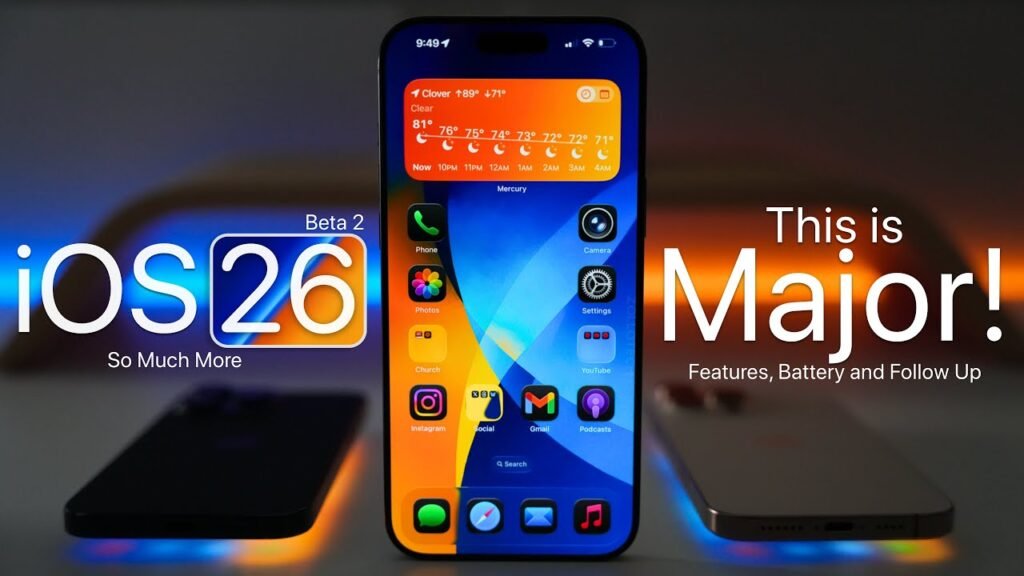
Apple’s latest update, iOS 26, is rolling out across iPhone devices and brings one of the most significant UI changes in years. The new Liquid Glass design language refreshes the look and feel of the interface with translucent, responsive elements that react to movement and content a visual overhaul not seen since iOS 7.
But beyond aesthetics, recent updates such as iOS 26.4 are adding practical functionality:
- New sleep and wellbeing tracking metrics
- Enhanced ambient music widgets
- Revamped iCloud and Hotspot controls
- Third‑party AI integration through CarPlay
Each release adds convenience or productivity and influences how users interact with their devices day to day.
Screen Time Grows Smarter
Screen Time, Apple’s built‑in tool for tracking and managing device usage, has also matured. Originally introduced to show how much time we spend on apps and websites, it now lets parents and individuals do more including setting daily limits, managing app permissions, activating content filters, and viewing detailed summaries of activity like notifications and pickup frequency.
According to Apple Support, Screen Time is especially valuable for families: it allows you to see which apps are used the most and apply age appropriate content restrictions or communication limits all while keeping privacy central.
Why Screen Time Still Matters (and Why It Isn’t Enough)
Recent health guidance from experts like the American Academy of Pediatrics suggests that simply monitoring how much kids are on screens isn’t enough how they use those screens matters too.
Modern digital platforms are designed to maximize engagement leading to deeper immersion, longer app sessions, and potentially negative effects on sleep, attention, and social behaviors. So while Screen Time provides raw data, thoughtful parental guidance and conversations about why and how screens are used remain crucial.
Passport Processing Time News Today
Whether you’re planning a summer vacation or renewing your passport for work or study abroad, knowing the latest on passport processing times is critical and unfortunately, a moving target.
What’s the Current Reality?
As of 2026, the U.S. Department of State still lists routine passport processing times at roughly 10 13 weeks that’s more than two months. This includes the review of your application at an agency or center but does not include mailing time, which varies by region.
The last official updates reflect a reduction from earlier pandemic‑era delays, but processing remains slower than many travelers would like. In peak seasons, backlogs and the extra weeks they cause are common. (Scripps News
Why It Takes So Long
Passport processing isn’t just bureaucratic slowness. High demand, especially around peak travel months, and staffing constraints at agencies across the United States slow workflows. Over half a million applications per week are processed during busy periods, according to industry reports. (Scripps News)
Expedited Options and What They Mean
If you need a passport quickly for example, because of unplanned travel or a job opportunity paying for expedited service can shorten processing to about 2 3 weeks after application receipt.
But be cautious: even expedited processing doesn’t guarantee delivery on a specific date, and mailing time can extend total waiting periods. If you have non‑refundable travel plans, it’s smart to apply as early as possible.
Variability in the Real World
Anecdotal reports from recent applicants show a wide range of experiences: some individuals received passports in just over two weeks, while others waited the full 10‑13 weeks or longer.
Here’s the takeaway: while expedited services exist, there’s no way to guarantee turnaround time. Planning ahead is the best safeguard.
How These Trends Connect
At first glance, iOS screen management and passport processing times might feel like two separate topics. But both speak to a shared reality of today’s users:
Urban Tech Digital Life
In urban environments across the USA where commuting, remote work, and digital social life interplay smartphones are critical tools. Features like Screen Time help users stay mindful of their digital habits, while updates from Apple reflect how tech companies respond to ongoing concerns about balance and safety.
Travel Plans in a Digital Age
The passport process, by contrast, reminds us that many government systems lag behind rapidly evolving digital expectations. Citizens can now carry things like digital IDs and passport info in their iPhones but the physical processing of travel documents still takes time.
In fact, Apple’s Digital ID feature now lets users add passport details to their Apple Wallet for easier use at airport checkpoints, though this doesn’t replace the physical passport for border crossings. That’s a tangible example of how tech and traditional processes are merging.
Practical Takeaways
Here are some pro tips based on the latest news and real usage patterns:
For Smartphone Users
Update to the latest iOS version when possible you’ll get enhanced privacy features and better tools to manage screen habits.
Screen Time is most useful when paired with conversations about healthy digital habits.
Make sure children’s devices are configured with age‑appropriate limits especially if they’re connected through Family Sharing.
For Passport Applicants
Apply well ahead of travel dates routine processing is still measured in months.
Consider expedited service only if you genuinely need it, and plan for mailing times.
Track your application through the State Department’s official portal.
Final Thoughts
Today’s digital lives are rich with opportunities from smarter phone tools to global travel. But these conveniences don’t come without planning.
Understanding how your device shapes your time and attention and how long something as essential as a passport takes to secure helps you stay ahead, reduce stress, and make better decisions.
By staying informed, using tools wisely, and planning early, you’ll navigate both the digital world and the international one with confidence.

“Expert contributor at Urban Time News, specializing in smart city infrastructure, urban development, and modern lifestyle trends. Providing data-driven insights and in-depth analysis to help readers navigate the complexities of city living. Follow for accurate, unbiased reporting on the pulse of the modern urban landscape.”