

The Boiling Point: Iran’s Warning to Washington
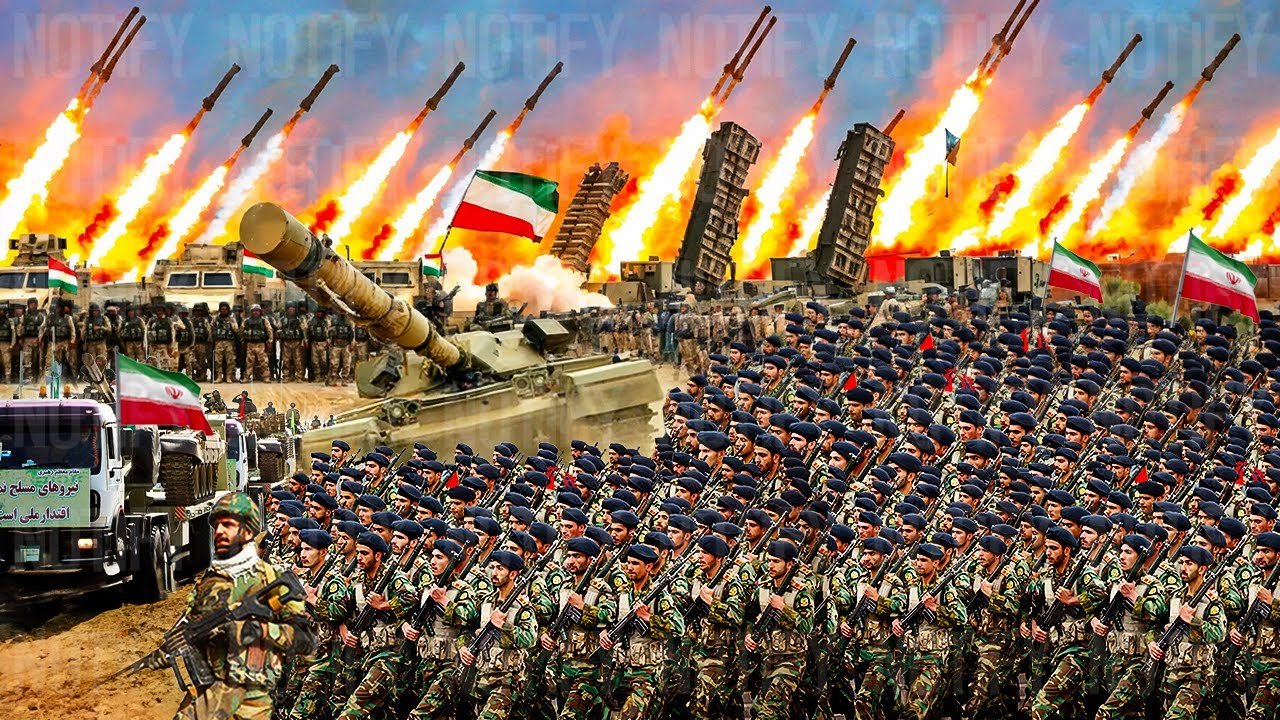
The geopolitical landscape of the Middle East has reached a precarious threshold. In a series of defiant statements broadcast on state television, Iranian military officials have signaled that the “strategic patience” of the Islamic Republic has reached its limit. Brigadier General Mohammad Akraminia, a key military spokesperson, recently articulated a doctrine of “instant retaliation,” warning that any American aggression would be met with immediate strikes against U.S. assets across the region.
This escalation follows a period of intense pressure from the West. U.S. President Donald Trump has issued a stark ultimatum, suggesting that “time is running out” for Tehran to return to the negotiating table for a restrictive new nuclear deal. Simultaneously, the European Union has taken the unprecedented step of blacklisting the Islamic Revolutionary Guard Corps (IRGC) as a terrorist organization, citing the group’s role in suppressing domestic unrest and its regional proxy activities.
The rhetoric is no longer confined to diplomatic chambers; it is manifesting in the waters of the Persian Gulf and the Arabian Sea. With the arrival of a U.S. carrier strike group led by the USS Abraham Lincoln, Tehran’s military apparatus is highlighting what it calls “serious vulnerabilities” in American naval power, setting the stage for a potential miscalculation that could ignite the entire region.
Iran’s Retaliation Doctrine: Beyond Limited Engagement
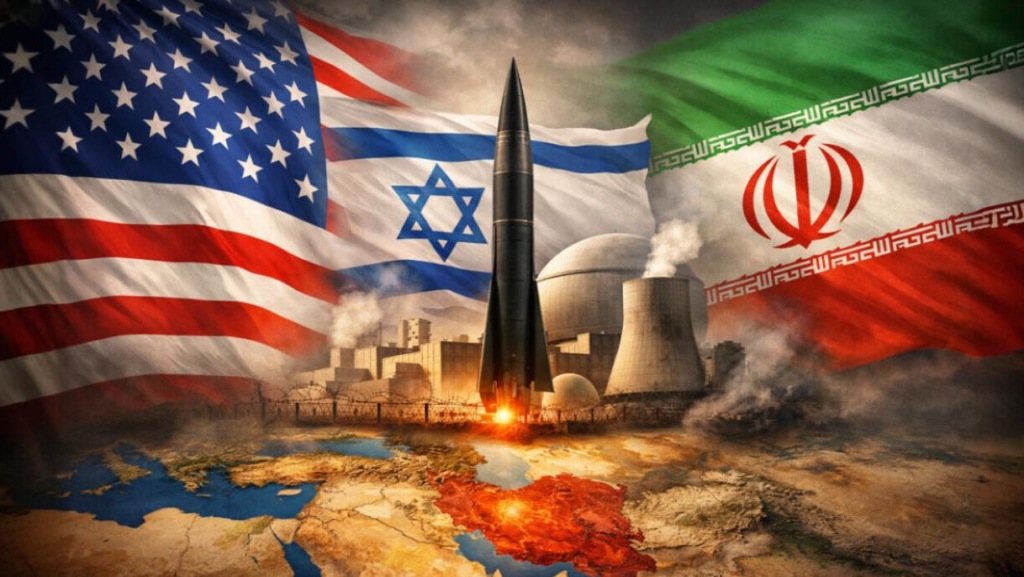
One of the most significant shifts in Tehran’s messaging is the move away from “limited” or “measured” responses. In June 2025, during a brief but intense air war involving Israel and U.S. support, Iran’s response was relatively contained. However, General Akraminia has made it clear that the next confrontation will follow a different script.
The “Instant” Strike Strategy
Iran’s current military posture is built on the concept of asymmetric deterrence. Rather than attempting to match the U.S. in conventional air power or blue-water naval strength, Tehran relies on a “swarm and strike” philosophy. This includes:
- Medium-Range Ballistic Missiles: Thousands of mobile launchers capable of reaching every U.S. base in the Middle East, including those in Qatar, the UAE, and Bahrain.
- Hypersonic Capabilities: Iranian officials claim to possess hypersonic missiles designed to bypass modern carrier strike group defenses, specifically targeting the hulls of aircraft carriers.
- Fast-Attack Craft (FAC): The IRGC Navy has deployed hundreds of small, missile-armed vessels in the Strait of Hormuz to harass and overwhelm larger warships.
Target: US Aircraft Carriers
General Akraminia’s comments specifically highlighted the “vulnerabilities” of U.S. carriers. While these vessels are the ultimate symbols of American power projection, Iranian strategists view them as “floating targets” in the confined waters of the Gulf. By utilizing a combination of drone swarms and high-speed anti ship missiles, Iran aims to puncture the defensive perimeter of a strike group, betting that the political cost of losing a carrier would force a U.S. retreat.
The Catalyst: EU Terror Designation and Nuclear Deadlines
The current spike in tensions isn’t solely about military maneuvering; it is deeply rooted in a collapse of diplomatic trust. Two major factors have pushed the situation to the edge:
1. The EU’s Blacklisting of the IRGC
The European Union’s decision to designate the IRGC as a terrorist organization represents a fundamental break in European policy. For years, Brussels attempted to act as a bridge between Washington and Tehran. By aligning with the U.S. and Canada on this designation, the EU has signaled that it no longer views the IRGC as a legitimate state actor, but as a primary driver of regional instability.
Tehran’s response has been one of “spite-driven” indignation, alleging that the EU is simply obeying orders from Washington and Israel. This designation has legal ramifications, freezing IRGC-linked assets across Europe and making any financial interaction with the group a criminal offense.
2. The Nuclear Ultimatum
President Trump’s “Maximum Pressure 2.0” campaign has narrowed the path for diplomacy. The U.S. demands are clear: a total halt to uranium enrichment, the dismantling of the ballistic missile program, and an end to the “stop killing protesters” directive following the violent suppression of domestic anti-government rallies.
From Tehran’s perspective, these demands equate to a demand for “total surrender.” The Iranian leadership views their nuclear program not just as a bargaining chip, but as a symbol of national sovereignty inherited from the 1970s.
The Economic Weapon: The Strait of Hormuz and Global Oil
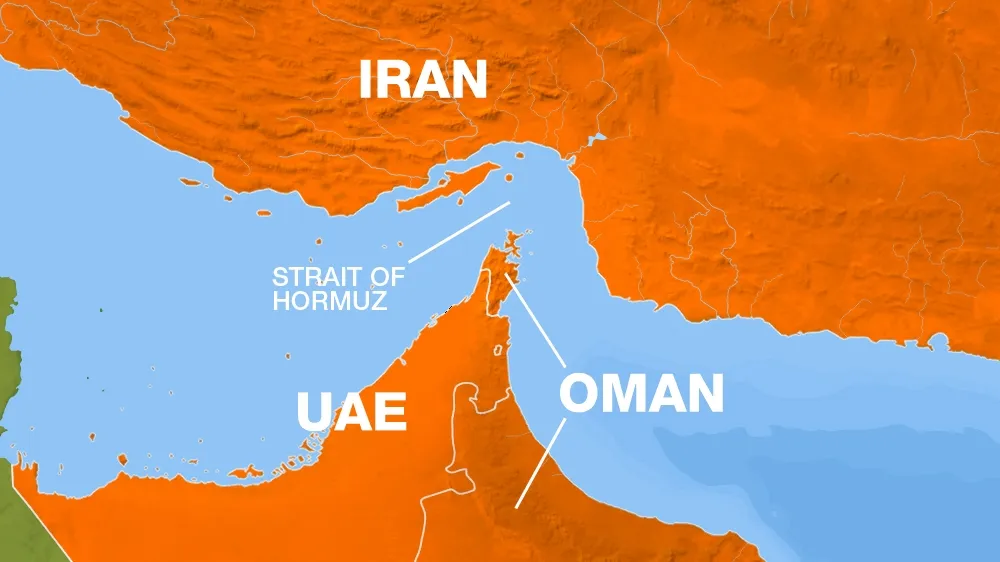
If a conflict erupts, the battlefield will likely extend to the global economy. The Strait of Hormuz remains the world’s most sensitive oil chokepoint, with approximately 20% of the world’s petroleum passing through it daily.
| Aspect | Impact of Conflict |
| Oil Prices | Analysts predict a surge to over $150 per barrel within days. |
| Global Shipping | Insurance premiums for tankers would skyrocket, potentially halting transit. |
| Regional Economy | Gulf states hosting U.S. bases could face direct strikes, devastating infrastructure. |
| US Economy | Inflationary pressure from energy costs could trigger a domestic recession. |
Iranian officials have openly threatened to “collapse” the U.S. economy by disrupting this flow. While the U.S.
Regional Stakes: Who Stands to Lose?
A U.S.-Iran war would not be a bilateral affair. The geography of the Middle East ensures that neighboring states would be caught in the crossfire.
- The Gulf States (UAE, Qatar, Bahrain, Saudi Arabia): These nations host the very bases Iran has threatened to strike. While Saudi Arabia has attempted to mediate even refusing to allow its airspace to be used for an attack the proximity of Iranian missiles remains a constant threat.
- Israel: As a primary adversary of Tehran, Israel would likely be the target of “proxy retaliation” from Hezbollah in Lebanon or militias in Syria and Iraq.
- Turkey: Acting as a modern-day intermediary, Turkey is currently hosting urgent talks to prevent a total breakdown, fearing that a regional war would send millions of refugees across its borders.
Domestic Pressures: The Protest Factor
The U.S. has leveraged these internal fractures, with President Trump explicitly linking military restraint to the treatment of Iranian citizens. However, this has created a “rally around the flag” effect among the Iranian hardliners, who use the threat of foreign invasion to justify further domestic repression, labeling protesters as “agents of the West.”
FAQs:
What started the current tension between the US and Iran?
The current crisis is a combination of stalled nuclear negotiations, the U.S. deployment of a “massive armada” to the Gulf, and the EU’s recent designation of the IRGC as a terrorist group following violent crackdowns on Iranian protesters.
Does Iran actually have the capability to hit US aircraft carriers?
Yes. While U.S. carriers have sophisticated Aegis defense systems, Iran’s strategy relies on “saturation attacks” launching so many drones and missiles simultaneously that the defenses are overwhelmed. They also claim to have hypersonic missiles specifically for this purpose.
What is the role of the IRGC?
The Islamic Revolutionary Guard Corps is a branch of the Iranian Armed Forces, but it operates independently of the regular army. It controls large portions of the Iranian economy and manages the country’s regional proxy networks and ballistic missile program.
Why is the Strait of Hormuz so important?
It is the only sea passage from the Persian Gulf to the open ocean. If Iran blocks the Strait, it effectively cuts off 20% of the global oil supply, which would cause an immediate global economic crisis.
Is a war between the US and Iran inevitable?
Not necessarily. Diplomatic channels through Turkey and Qatar remain open. However, the “room for maneuver” is shrinking as both sides escalate their military presence and rhetoric.
What are “medium range missiles” in this context?
These are missiles with a range of 1,000 to 3,000 kilometers. This range allows Iran to strike any U.S. military installation in the Middle East, as well as targets in southeastern Europe or parts of India.
How has the EU’s stance changed?
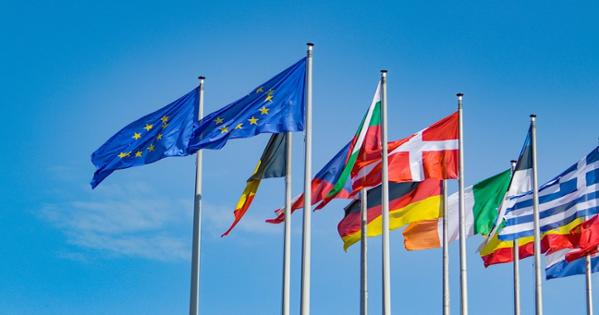
Historically, the EU preferred diplomacy (the JCPOA). By blacklisting the IRGC, the EU has moved toward a “hard power” stance, effectively ending its role as a neutral mediator and aligning more closely with Washington’s “Maximum Pressure” policy.
Conclusion:
As Brigadier General Akraminia warned, a “miscalculation” by either side could lead to a conflict that is far more expansive and violent than anything the region has seen in recent history.
The U.S. seeks a “total capitulation” on nuclear and domestic issues, while Iran seeks to prove that its “asymmetric deterrence” makes an attack too costly for Washington to bear. With both sides’ “red lines” now overlapping, the margin for error is razor-thin. Whether the path forward leads to a new “Grand Bargain” or a devastating regional war depends on whether diplomacy can keep pace with the rapidly accelerating engines of war.
Would you like me to create a detailed breakdown of the specific U.S. military bases currently within range of Iranian missiles?

“Expert contributor at Urban Time News, specializing in smart city infrastructure, urban development, and modern lifestyle trends. Providing data-driven insights and in-depth analysis to help readers navigate the complexities of city living. Follow for accurate, unbiased reporting on the pulse of the modern urban landscape.”